
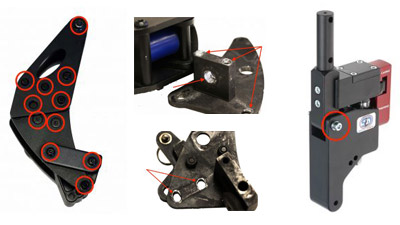
Will my client break the Dynamic Seating?
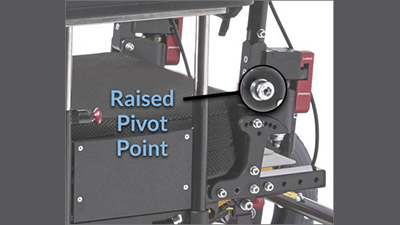
Dynamic Seating is often used to prevent equipment breakage, specifically the wheelchair frame and seating system. The Dynamic components absorb strong, repeated, sudden, and/or sustained forces, hence protecting vulnerable areas of the seating and mobility base. This was addressed in two prior Blogs (Dynamic Seating to Prevent Equipment Breakage, part 1 and part 2). But what about the Dynamic Components themselves? Just how durable are these?
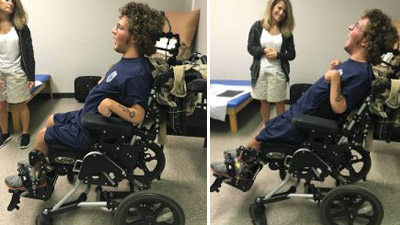
Modular Dynamic Seating Components Vs. Integrated Dynamic Seating Systems
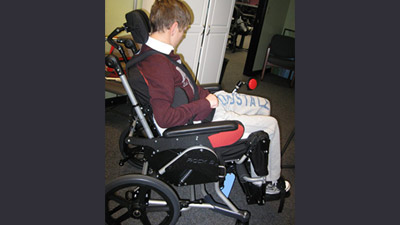
Modular components can be retrofitted to a mobility base and used individually or in combination with one another. Let’s take a look at Spencer’s transition from an Integrated system to Modular components.
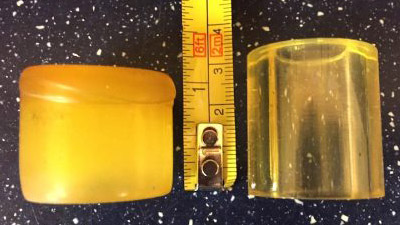
When An Elastomer Goes Flat… The Story of J and the Flattened Elastomers
This is the story of J and the flattened elastomers. J is a young man with an incredibly strong extensor tone pattern that usually initiates in his hips. He uses a Seating Dynamics Dynamic Rocker Back to absorb these forces. He resides in a long term care facility and has multiple caregivers who have known him for many years.
Megan
Eddie’s Mom Braidwood, IL “We are extremely happy with it (the Dynamic Rocker Back). My son has done some serious…
Karen “Missy” Ball, PT, MT, ATP
PhysioBall Therapy, LLC Metairie, LA “I have used dynamic backs several times in the past for clients with head trauma…
Suzanne Payne Eason, OT/L
Director of Occupational Therapy Support Services St. Mary’s Home Norfolk, VA “We have used many types of dynamic components on…
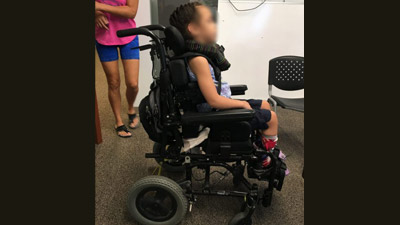
Oil and Water – Do Molded Backs and Dynamic Seating Mix?
Oil and water don’t mix well and we often assume that molded seating and movement don’t mix either. Why? Well, a molded seat or back provides very intimate contact with the client’s body. If, for example, the seat to back angle changes, this can change the alignment of the client in relation to these intimate contours.
Why Movement Helps People With Brain Injuries
“Jackson” (named has been changed) was in a car accident when he was only 6 years old and sustained a significant brain injury. As a result, he was unable to move himself, communicate with others, or control anything in his environment. He has been using various mobility bases since that time.
3 Reasons to Provide Dynamic Posterior Movement of the Trunk and Pelvis
Seating Dynamics explains how a dynamic back rest provides clients with posterior trunk and pelvis movement.
Jill Sparacio, OTR/L, ATP/SMS
“The Dynamic Rocker Back option offers a dynamic seat- to-back junction. As Derrick extends at his hips, the movement of the base eliminates solid resistance. Instead of his movement and tone increasing (as it does with solid resistance), his movement was now facilitated, allowing his tone to calm down. The use of the Dynamic Rocker Back was successful in providing postural assistance to his active tone patterns. Of utmost importance was his need for a system that is durable and reliable. Funding for repairs is not always available. If Derrick’s system is broken, it results in him missing outings from which he gains a great deal of enjoyment.”