
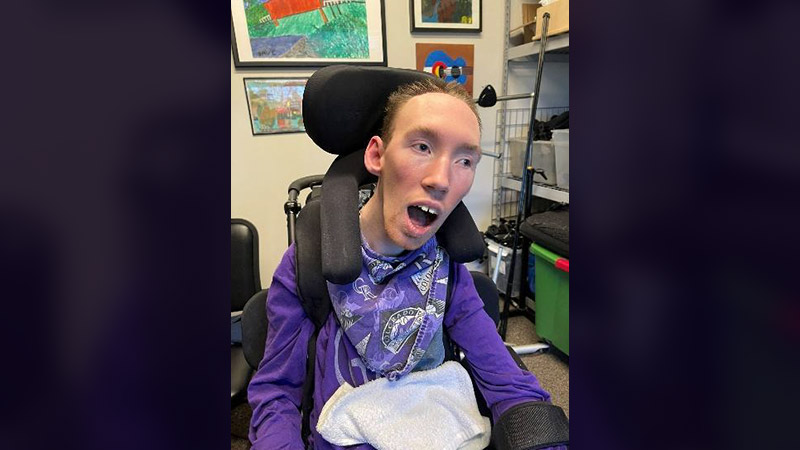
So These Voices Can Be Heard: Final Comments to CMS on Dynamic Backs
Michelle L. Lange, OTR/L, ATP/SMS In 2022, CMS published a proposed fee schedule for Dynamic Backs, and many people answered…
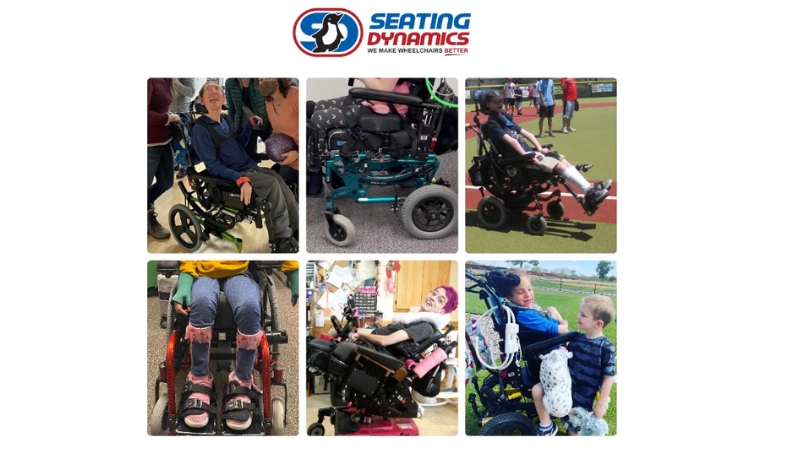
Dynamic Seating Wheelchair Compatibility
Watch this quick overview of how dynamic seating can work for wheelchair users, and the clinical benefits it provides through movement.

Why Dynamic Backs Matter: ATP Mike Osborn Shares His Perspective
ATP Mike Osborn explains how Dynamic Backs support positioning, reduce wheelchair repairs, and improve quality of life for people with tone and spasms.
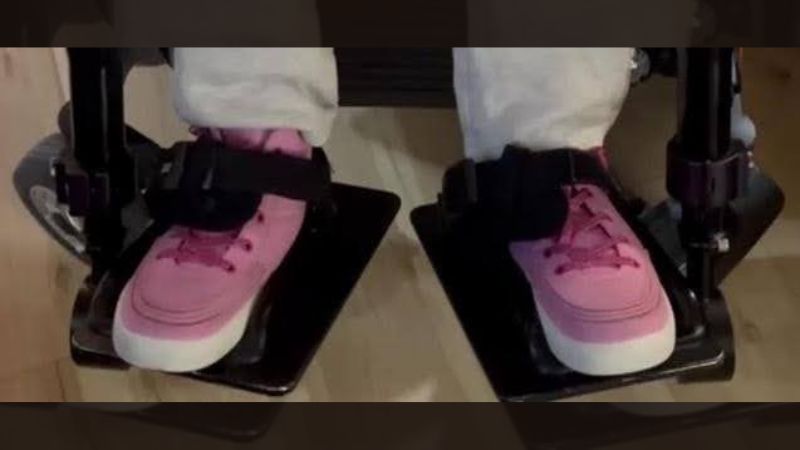
How Footplate Rotation Reduces Knee and Ankle Forces
Michelle L. Lange, OTR/L, ATP/SMS Footplate Rotation is the latest option on the Seating Dynamics Dynamic Footrest. This blog takes…

Clinician Interview: Karla Sonderland, MS, OTR/L, ATP
OTR/L Karla Sonderland shares how dynamic seating improved safety, positioning, and skin protection for CRT users.
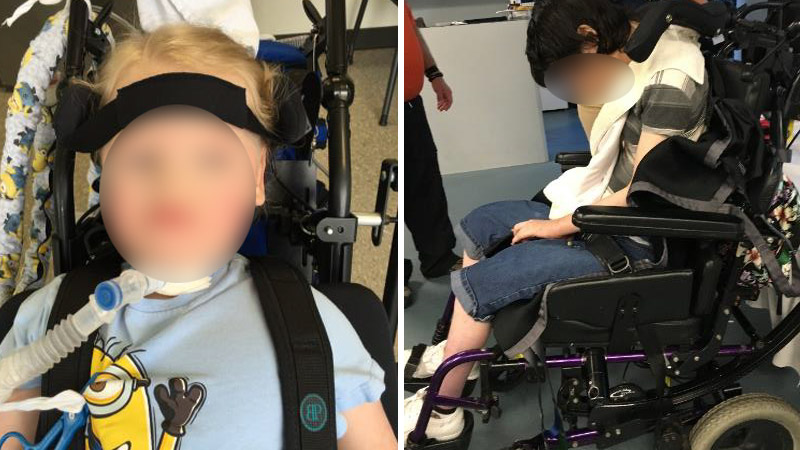
Positioning the Head: some general strategies
Many wheelchair users have decreased head control and may sit with the head in a suboptimal position. An upright and aligned head position is critical for vision, breathing and swallow. Numerous strategies may be employed to optimize head control and position.

Dynamic Stories: Jeanie, CP Advocate and Dynamic Seating User
Learn how Jeanie, a cerebral palsy advocate, uses dynamic seating to manage muscle tone, reduce pain, and stay active in her advocacy work.
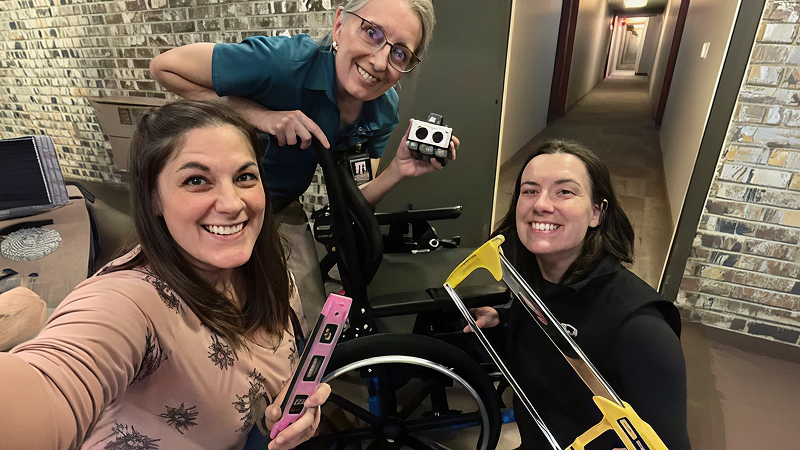
How Many People Does It Take to Install the Dynamic Rocker Back interface?
Learn how a clinical team successfully installed a Dynamic Rocker Back interface, improving efficiency and supporting movement needs in seating solutions.
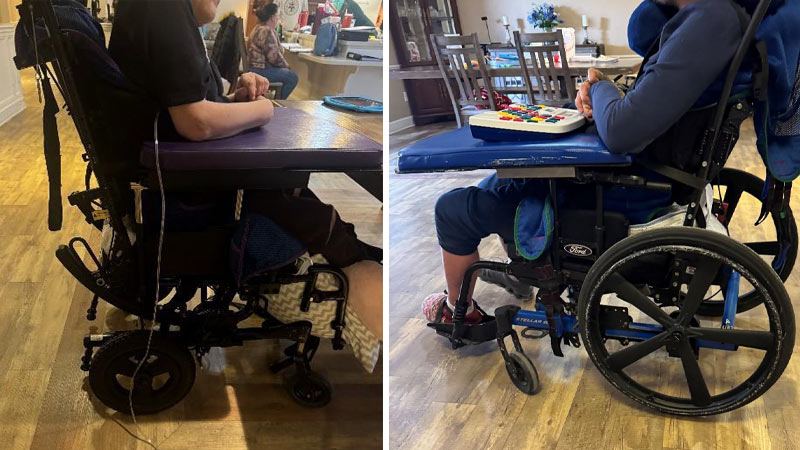
Clinician Interview: Suzanne Wilhoit, OTR/L, ATP
An occupational therapist shares real client outcomes using dynamic seating to reduce agitation, prevent equipment damage, and improve positioning and participation.