
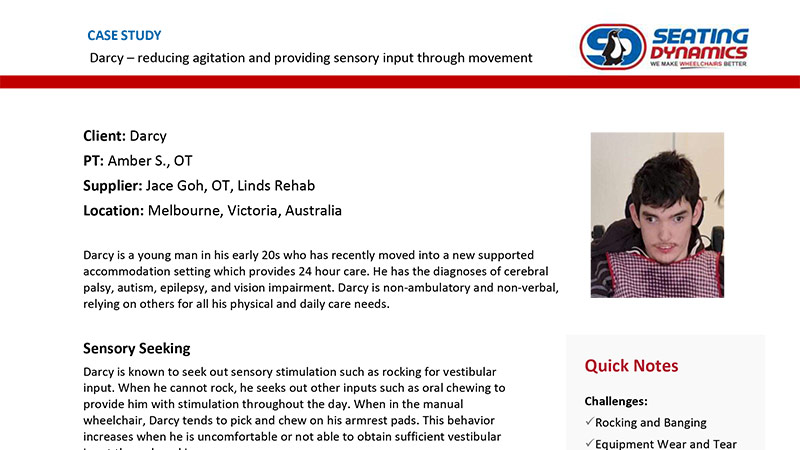
Darcy – Reducing Agitation and Providing Sensory Input through Movement
See how a Dynamic Rocker Back has not only satisfied Darcy’s need to rock in his wheelchair, but improved safety, sitting tolerance, function and decreased equipment breakage.
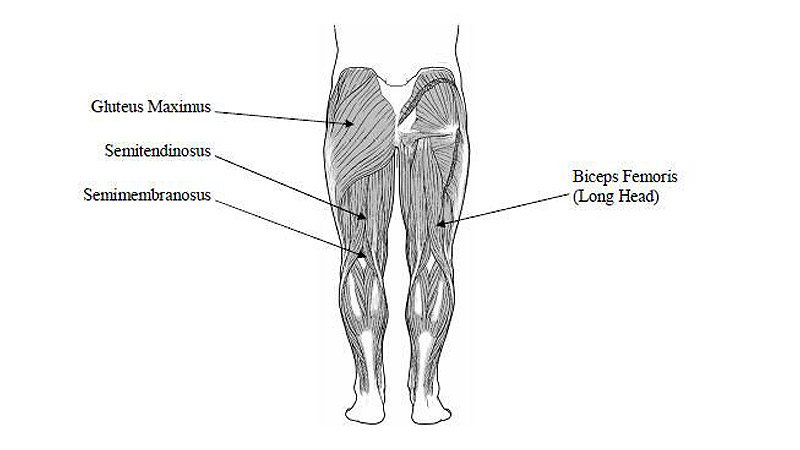
Review of Hip Musculature and Impact of Dynamic Back Design
A whopping 21 muscles cross the hip – and I’m absolutely certain I can’t name them all. These muscles provide movement in 3 planes and provide stability between the femur and acetabulum (the hip joint).

Can Dynamic Seating Really Help GI Issues?
Dynamic Seating has so many clinical indicators. Research and clinician experience also show a benefit to the gastrointestinal system.

Supplier Interview: Bert Lindholm, ATP, FWD Mobility, Denver, CO
Bert Lindholm has worked in our industry for 29 years now, first in Georgia and then in Colorado. He is now at FWD Mobility in Aurora, CO.

Dynamic Seating Education Around the World!
Did you know that Dynamic Seating courses were presented at 3 International Conferences this year?

Clinician Interview – Ginny Paleg: What Does the Research Say About Lack of Movement?
Ginny Paleg, PT, DScPT is a pediatric physiotherapist from Silver Spring, Maryland, USA. For the past 17 years, she has worked with children aged 0-3 years in homes and childcare.
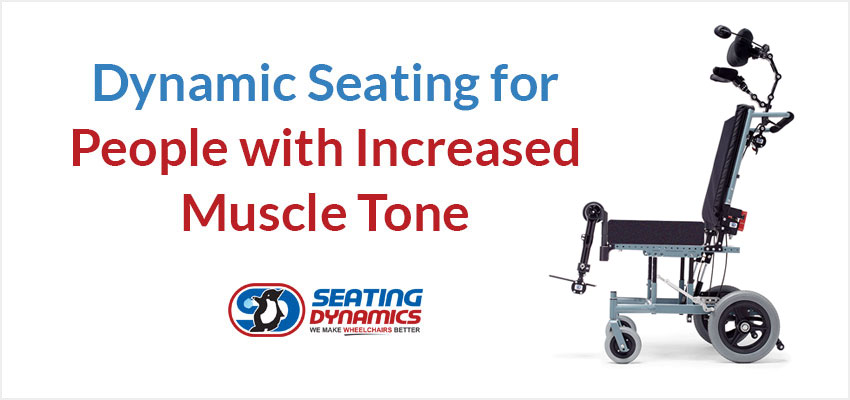
Dynamic Seating for People with Increased Muscle Tone
This blog is the final in a series on Muscle Tone. This series has addressed muscle tone itself, movement disorders, primitive reflexes, diagnoses characterized by increased muscle tone, tone management, and general wheelchair seating strategies used with this population.

Carl – Maintaining Position through Dynamic Seating
Carl is a 44 year old man with the diagnosis of cerebral palsy. He drives a power wheelchair with a head array and has accessed a computer keyboard using a head pointer.
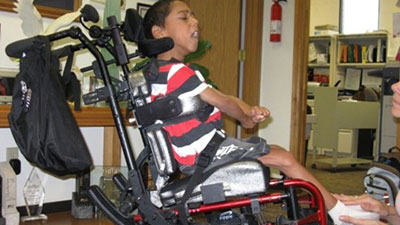
General Seating Strategies used with People who have Increased Muscle Tone
This blog is part 6 of a series on Muscle Tone. In this blog, we will discuss general wheelchair seating strategies commonly used when working with someone who has increased muscle tone.

Effective 6/1/22: Dynamic Components Request For Quote/Ordering Policy Change
Effective June 1, 2022 Thanks to the beta users who have provided feedback during testing over the past two years.…