
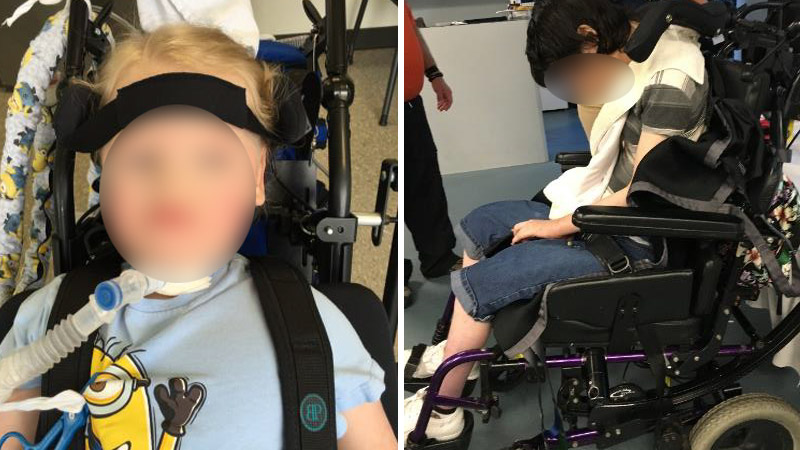
Positioning the Head: some general strategies
Many wheelchair users have decreased head control and may sit with the head in a suboptimal position. An upright and aligned head position is critical for vision, breathing and swallow. Numerous strategies may be employed to optimize head control and position.

Dynamic Stories: Jeanie, CP Advocate and Dynamic Seating User
Learn how Jeanie, a cerebral palsy advocate, uses dynamic seating to manage muscle tone, reduce pain, and stay active in her advocacy work.
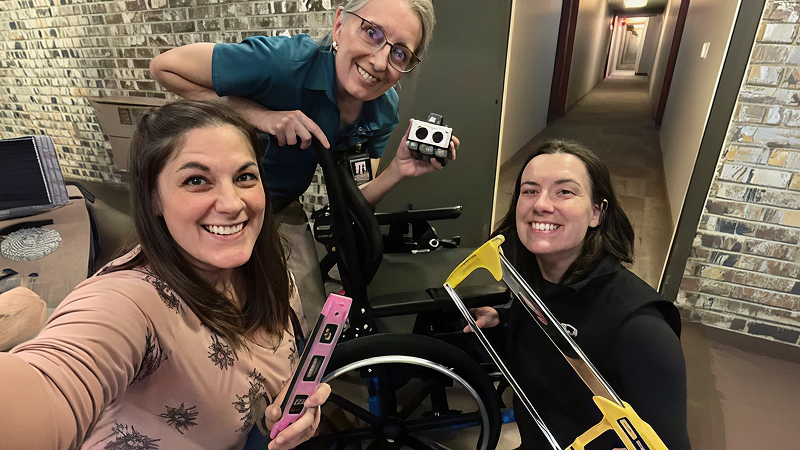
How Many People Does It Take to Install the Dynamic Rocker Back interface?
Learn how a clinical team successfully installed a Dynamic Rocker Back interface, improving efficiency and supporting movement needs in seating solutions.
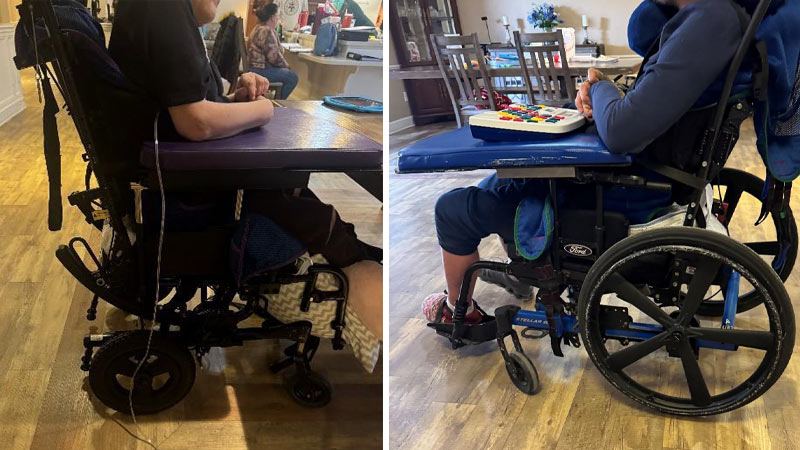
Clinician Interview: Suzanne Wilhoit, OTR/L, ATP
An occupational therapist shares real client outcomes using dynamic seating to reduce agitation, prevent equipment damage, and improve positioning and participation.
Dear CMS…A Technician’s Perspective
A seasoned adaptive equipment technician explains why dynamic backs differ from shock absorbers and why the distinction matters for comfort, safety, and function.

The Gross Motor Function Classification System
The Gross Motor Function Classification System – Expanded & Revised (GMFCS – E&R) is a tool to measure gross motor function of children and young people with cerebral palsy. This tool is typically used from infancy through 18 years of age.
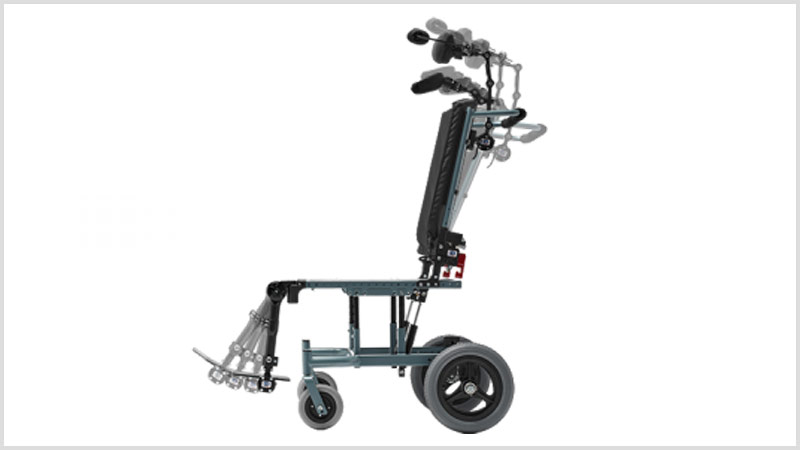
What is Dynamic Seating? A Definition
Our most-read blog is one that defines Dynamic Seating. That initial blog was posted about 4 years ago, so we wanted to revisit this foundational topic.

Dynamic Seating: a cost benefit analysis
Whenever I recommend complex rehab equipment for a client, I need to be aware of the cost of my recommendations. Why? One reason is that my documentation must often include why something less costly will not meet the client’s needs.
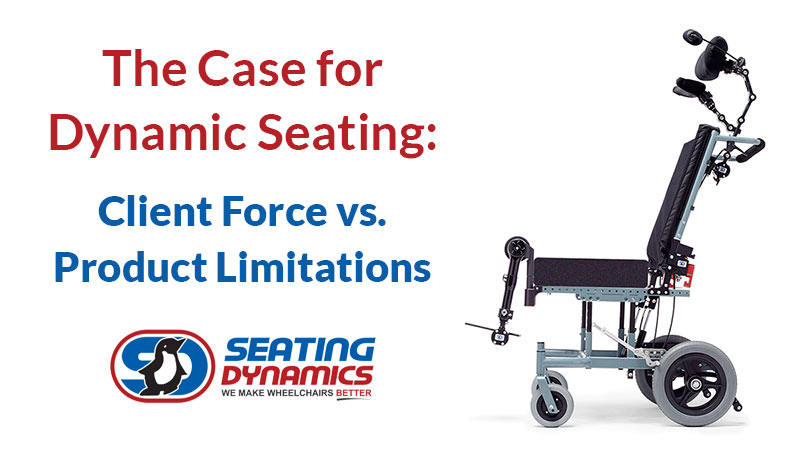
The Case for Dynamic Seating: Client Force vs. Product Limitations
This article examines how wheelchair and seating ISO standards compare with real world forces generated by clients with strong extensor patterns. Research findings highlight where dynamic seating may better address forces that exceed standard testing limits.

Research Participants Needed for Online Survey about Dynamic Seating – Ends 3/30
We are seeking input from people with cerebral palsy and related conditions and their caregivers. The purpose of this research is to better understand how and why people use Dynamic Seating on their mobility device(s), and its impact.