
Clinician Interview: Karla Sonderland, MS, OTR/L, ATP
OTR/L Karla Sonderland shares how dynamic seating improved safety, positioning, and skin protection for CRT users.
Free CEU: Muscle Tone and Tone Management: Dynamic Seating Intervention
Join OT Michelle Lange for this free CEU accredited webinar on Muscle Tone and Tone Management: Dynamic Seating Intervention.
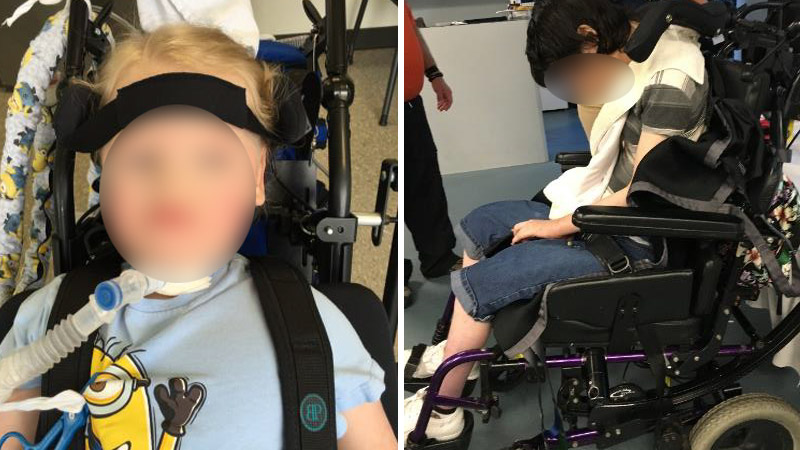
Positioning the Head: some general strategies
Many wheelchair users have decreased head control and may sit with the head in a suboptimal position. An upright and aligned head position is critical for vision, breathing and swallow. Numerous strategies may be employed to optimize head control and position.
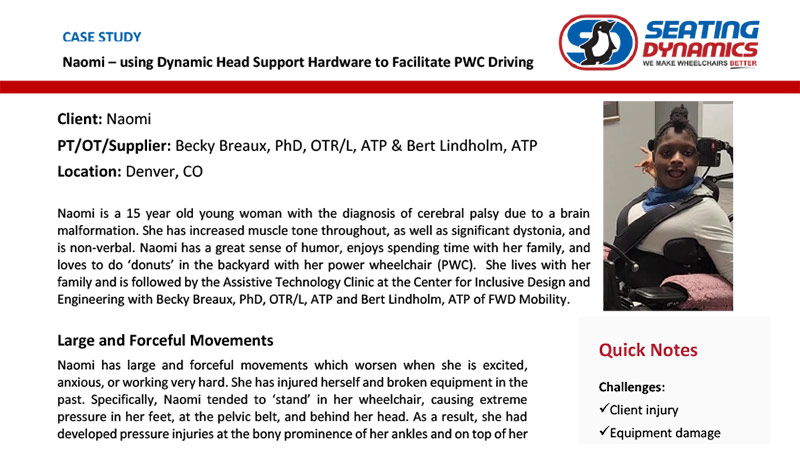
Naomi – Dynamic Seating, Positioning & PWC Driving
Learn how Naomi has used Dynamic Seating to control her power wheelchair, reduce injury and equipment breakage and maintain her position within several different seating systems.

Dynamic Stories: Jeanie, CP Advocate and Dynamic Seating User
Learn how Jeanie, a cerebral palsy advocate, uses dynamic seating to manage muscle tone, reduce pain, and stay active in her advocacy work.
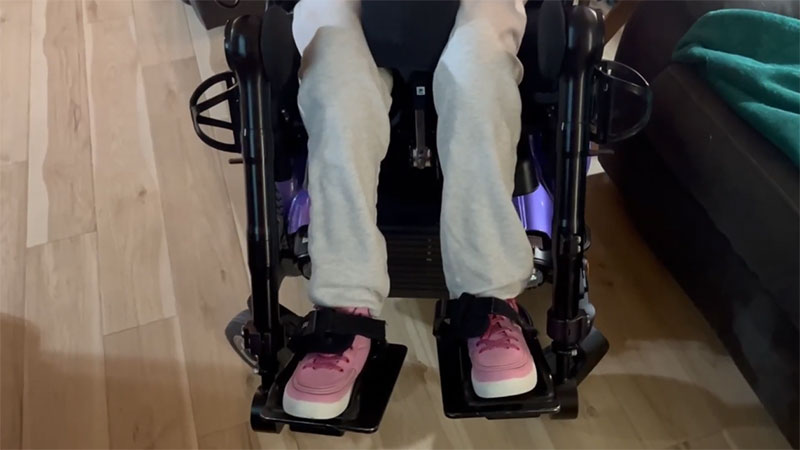
Video: Seating Dynamics Rotational Footplates
Watch how Seating Dynamics Dynamic Footrests for Wheelchairs move in 4 different ways, including rotational.
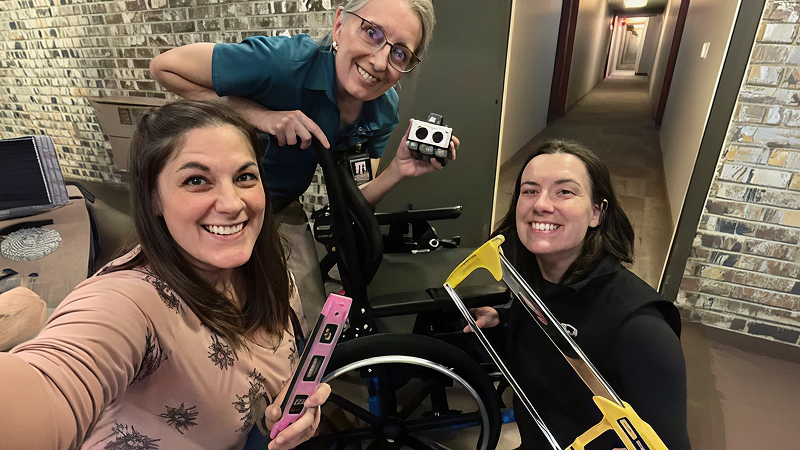
How Many People Does It Take to Install the Dynamic Rocker Back interface?
Learn how a clinical team successfully installed a Dynamic Rocker Back interface, improving efficiency and supporting movement needs in seating solutions.
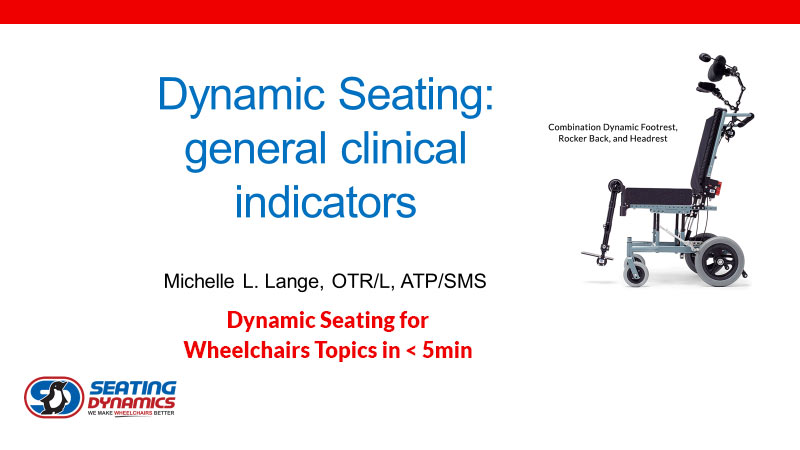
Quick Class: Dynamic Seating – General Clinical Indicators
Dynamic seating has many potential applications. Dynamic components absorb and diffuse force, protecting the wheelchair user from injury caused by sustained and/or repeated forces and reducing damage to the seating system and wheelchair.
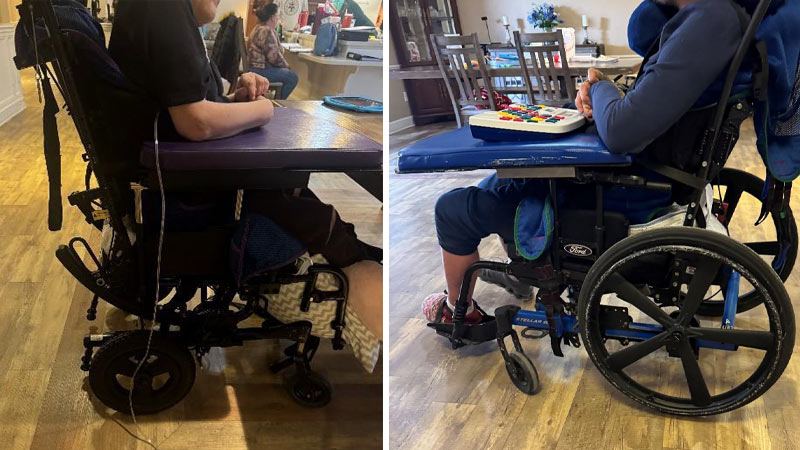
Clinician Interview: Suzanne Wilhoit, OTR/L, ATP
An occupational therapist shares real client outcomes using dynamic seating to reduce agitation, prevent equipment damage, and improve positioning and participation.
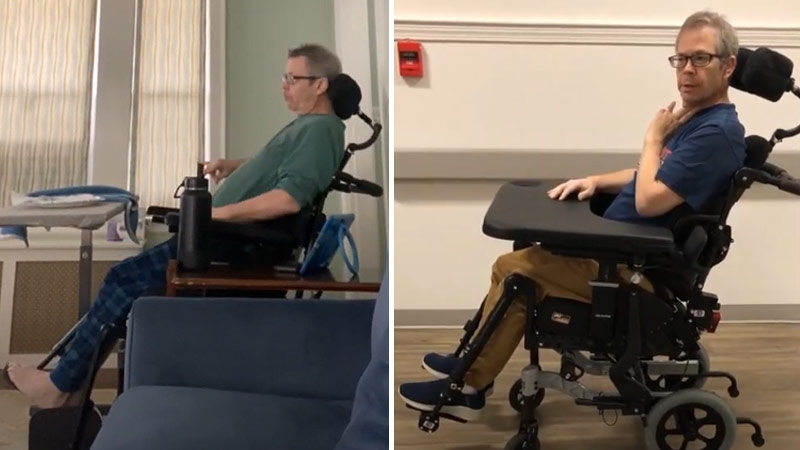
Huntington’s Disease and Dynamic Seating
See how Dynamic Seating has helped Chris with involuntary movement from Huntington’s Disease.