

Top 10 Dynamic Seating for Wheelchairs Resources from 2022
From CEUs to FAQs to blogs, take a look back at 2022 and see what Dynamic Seating for wheelchairs resources our community found most helpful this past year.
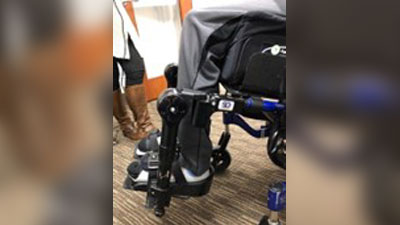
Don’t Jump to a Solution Without Knowing What the Problem is! Part 3: the Clinicians
In Part 2 of this Blog series, we discussed the Supplier and how their knowledge of CRT equipment and the reimbursement process can help identify the best Solution. Part 3 presents the Clinician and their unique role on the team in determining optimal Solutions.
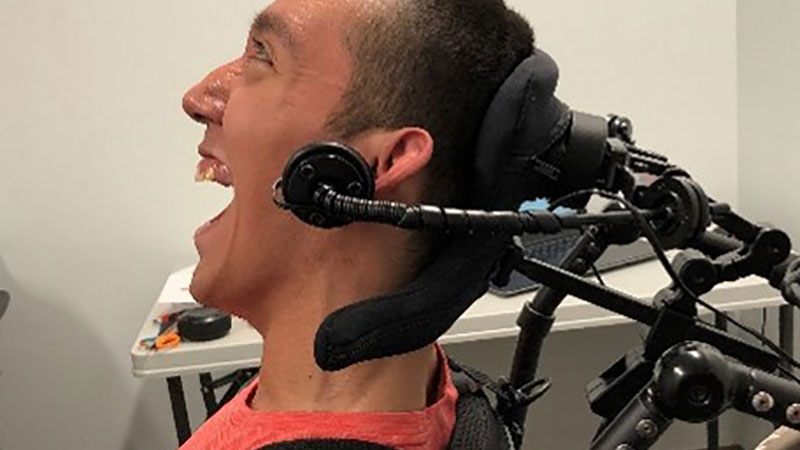
Don’t Jump to a Solution Without Knowing What the Problem is! Part 2: the ATP/Supplier
In Part 1 of this Blog series, we discussed the Client and Caregivers and how they can help identify the Problem that needs a Solution. Part 2 presents the Supplier and their role on the team in determining a Solution.
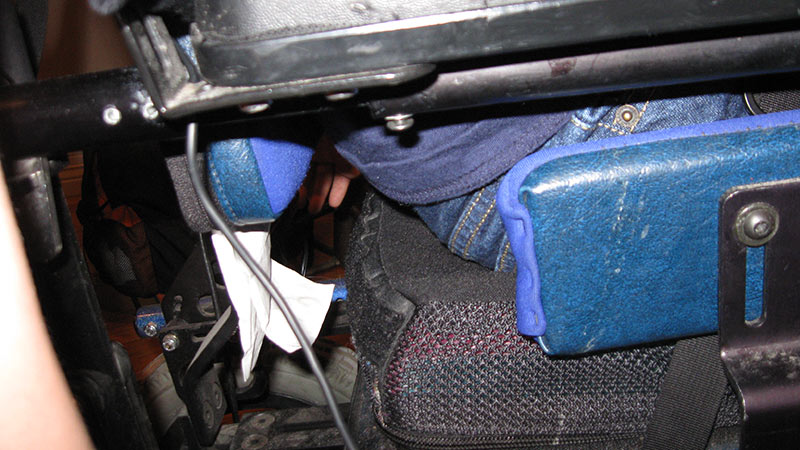
Don’t Jump to a Solution Without Knowing What the Problem is! Part 1: the Clients and Caregivers
Clients and/or caregivers may not always know the solution, but they sure know the problem. We may need to put on our detective’s hat to make sure we have accurate and complete information.
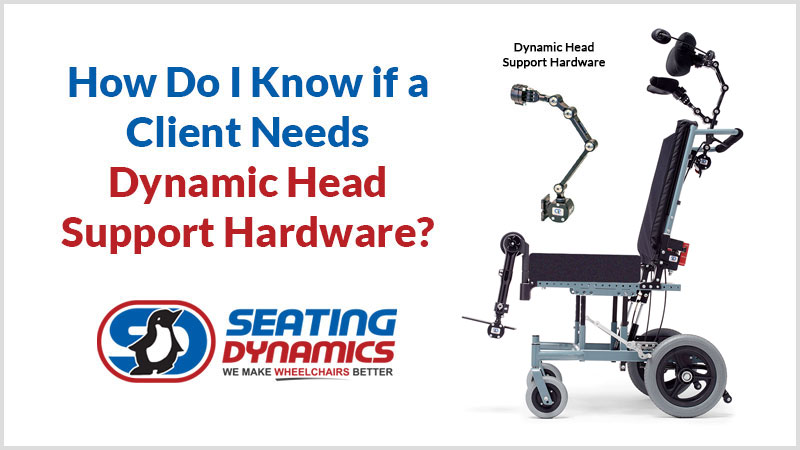
How Do I Know if a Client Needs Dynamic Head Support Hardware?
In earlier blogs we have addressed key topics such as “What is Dynamic Seating ” and “Dynamic Seating: Clinical Indicators .” In this blog, we will focus on Dynamic Head Support Hardware.
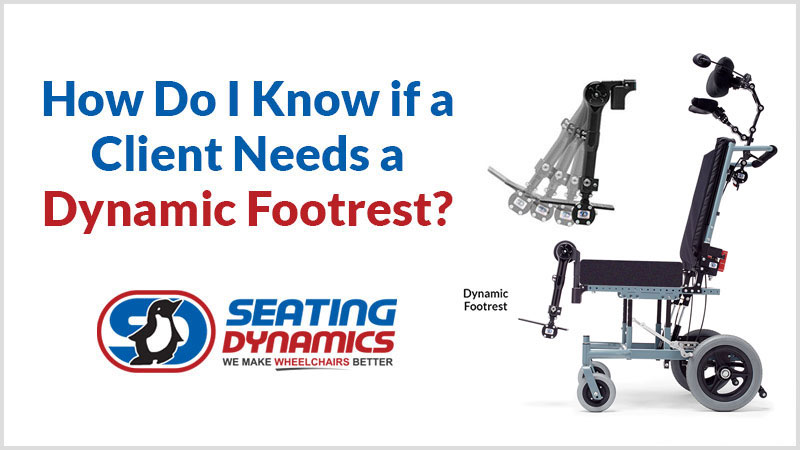
How Do I Know if a Client Needs Dynamic Footrests?
In earlier blogs we have addressed key topics such as “What is Dynamic Seating ” and “Dynamic Seating: Clinical Indicators .” In this blog, we will focus on Dynamic Footrests.

How Do I Know if a Client Needs a Dynamic Back?
In earlier blogs we have addressed key topics such as “What is Dynamic Seating ” and “Dynamic Seating: Clinical Indicators .” In this blog, we will focus on Dynamic Backs.

How Do I Know if a Client Needs Dynamic Seating?
In earlier blogs we have addressed key topics such as “What is Dynamic Seating” and “Dynamic Seating: Clinical Indicators.” In this blog series, we will take a look from the other side – what can you currently observe that indicates this person could benefit from Dynamic Seating?
Dynamic Footrest Hangers – It’s All In The Design
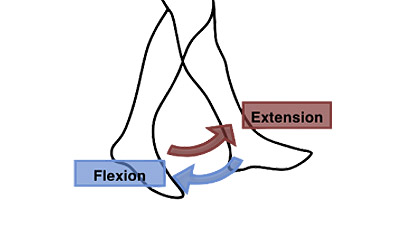
Allowing movement at the knee is more complicated than it sounds. When a client extends at the knee, this movement is not just in one plane. In other words, the foot doesn’t simply slide forward. The foot follows an arc, forward and upward.

Can Dynamic Seating Really Help GI Issues?
Dynamic Seating has so many clinical indicators. Research and clinician experience also show a benefit to the gastrointestinal system.