
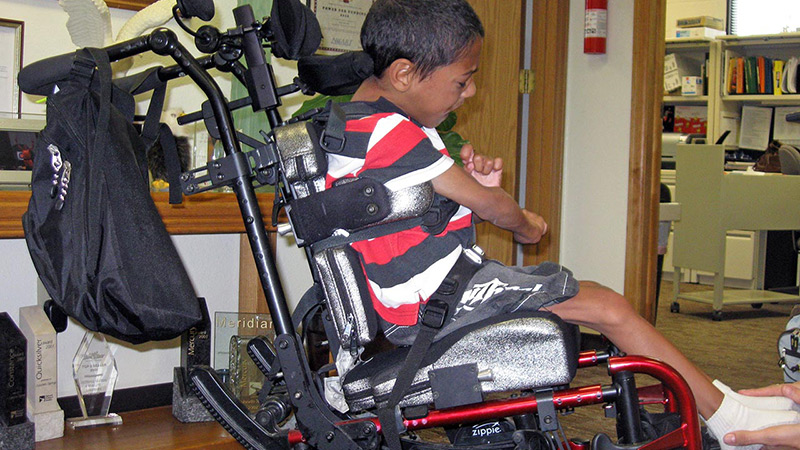
Evaluation, Simulation, and Dynamic Seating Trials
Recently a therapist asked me how she could recommend Dynamic Seating components if she didn’t actually try these with a client. Great question!
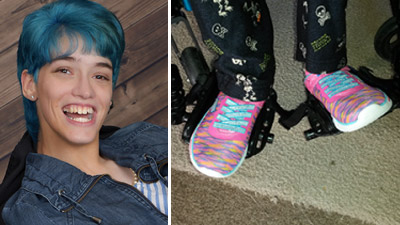
Dynamic Stories: Kylie’s Shoes
Kylie and I have known each other for a long time. This young woman lives in Wyoming and works in the theatre. Kylie has cerebral palsy and has used a power wheelchair and speech generating device since a young age. She has recently started using dynamic seating. I spoke with Kylie and her mom, Chele, by phone.
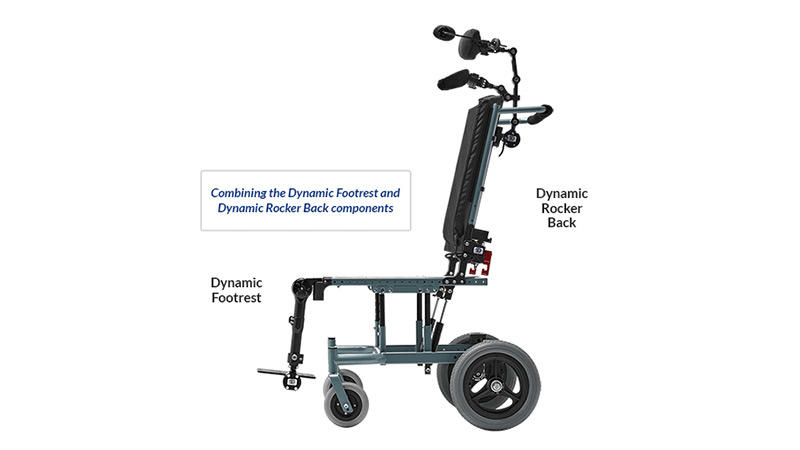
Using Multiple Dynamic Seating Components on a Wheelchair
Dynamic components can be used individually, however combining these components can often maximize the impact Dynamic Seating can make and better meet the client’s needs.
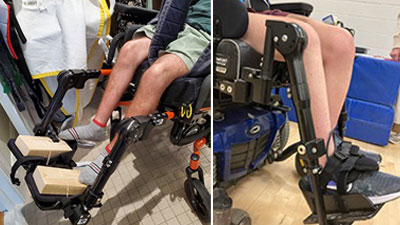
Newly Designed Dynamic Footrests! It’s all about the Pivot Point!
Dynamic Seating components are designed to move with a client. A great deal of design goes into these components to ensure the product responds to client forces and maintains client position.
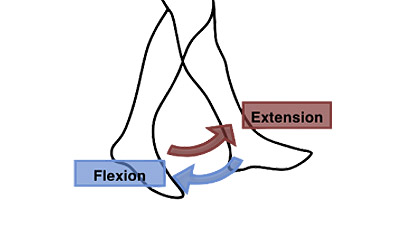
Dynamic Footrest Hangers – It’s All In The Design
Allowing movement at the knee is more complicated than it sounds. When a client extends at the knee, this movement is not just in one plane. In other words, the foot doesn’t simply slide forward. The foot follows an arc, forward and upward.
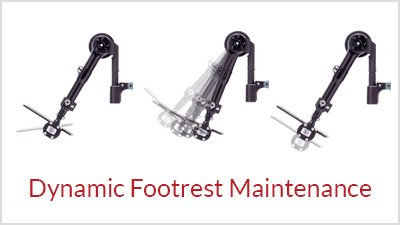
Maintenance Time! The Dynamic Footrests
Dynamic Seating uses elastomers, springs, and/or hydraulics to absorb force, store energy, and return the client to a starting position. Instead of the wheelchair frame breaking, the dynamic component will wear and require replacement.
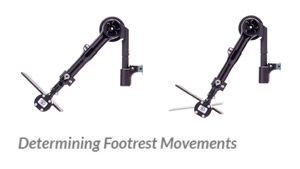
How to Determine Which Dynamic Footrest Movements are Indicated for an Individual?
Dynamic Footrests provide up to three types of movement – a telescoping downward movement, knee extension, and plantar/dorsi flexion.
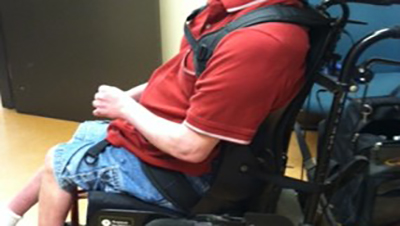
Dynamic Seating and the Restraint Debate
There are times when a wheelchair seating and mobility team, after careful evaluation and problem-solving, makes specific recommendations – only to hear that these well thought out interventions may be considered to be a restraint. So just what is considered a restraint and how does this affect Dynamic Seating?
Sara: a mover and a shaker!
Sara has a diagnosis of cerebral palsy and seizures. She has a long history of destroying footrests with aggressive movement in her wheelchair, Dynamic Seating has helped.
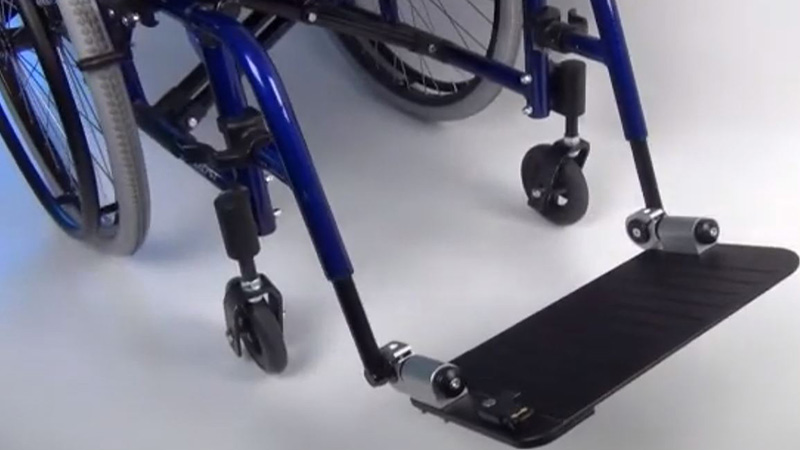
FAQs about the Seating Dynamics One-Piece Footboard
Depending on available range of motion or contractures of the knee and ankle joints, a client’s foot position may not align with a standard foot plate position. A One-Piece Footboard provides a wider surface to accommodate unique foot placements.