
Supplier Interview: Jason Kelln, ATP, CRTS, Prairie Heart Mobility
Michelle L. Lange, OTR/L, ATP/SMS Jason Kelln is the Sales Manager at Prairie Heart Mobility in Saskatchewan, Canada. Jason was…
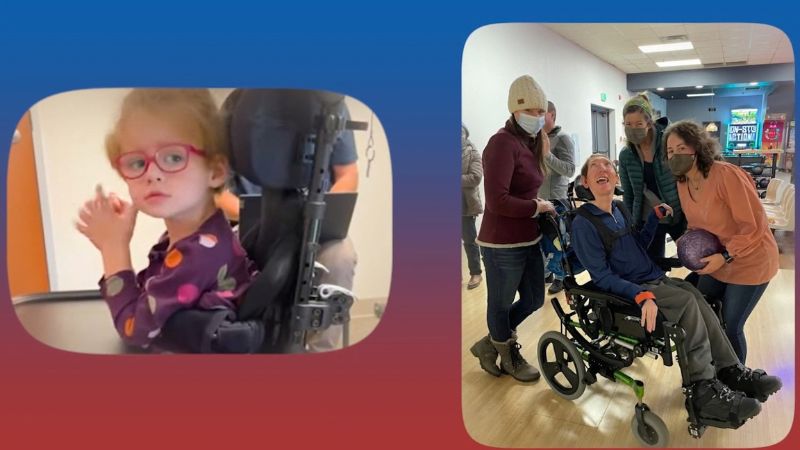
Who Uses Dynamic Seating?
Watch this quick overview of how dynamic seating can work for wheelchair users, and the clinical benefits it provides through movement.
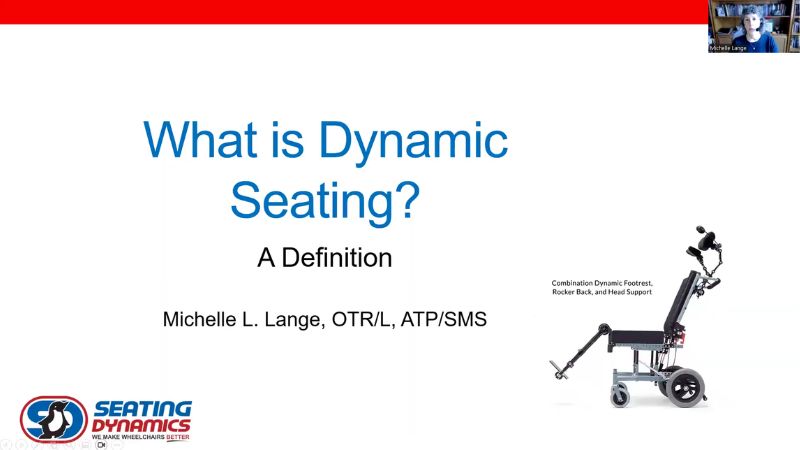
Quick Class: What Is Dynamic Seating?
Definitions and terminology may not seem very exciting but are very important. It is critical that we each know exactly what assistive technology or intervention is being recommended or used. In this video, Michelle Lange presents a definition and explains What is Dynamic Seating?
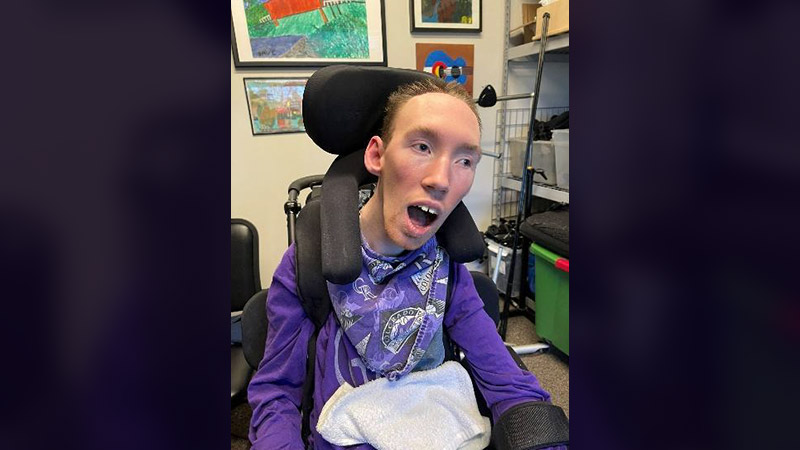
So These Voices Can Be Heard: Final Comments to CMS on Dynamic Backs
Michelle L. Lange, OTR/L, ATP/SMS In 2022, CMS published a proposed fee schedule for Dynamic Backs, and many people answered…
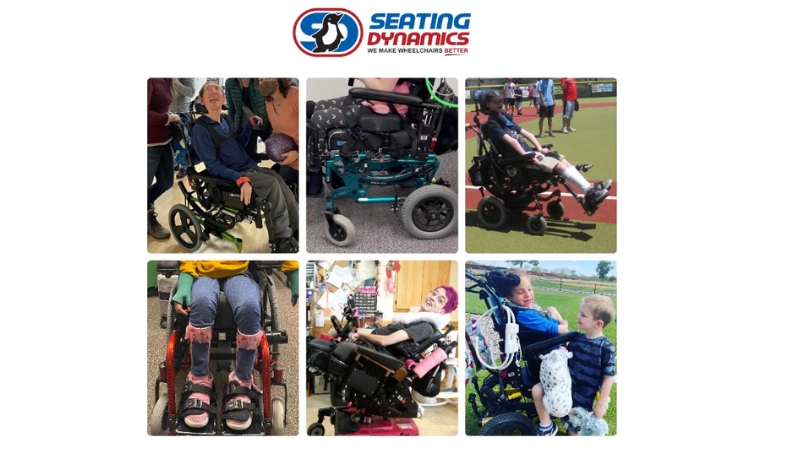
Dynamic Seating Wheelchair Compatibility
Watch this quick overview of how dynamic seating can work for wheelchair users, and the clinical benefits it provides through movement.
FREE CEU: Muscle Tone and Tone Management: General Positioning Strategies for Clients with Increased Tone
Join OT Michelle Lange for this Free CEU on Positioning Strategies for Clients with Increased Muscle Tone.
Why Dynamic Backs Matter: ATP Mike Osborn Shares His Perspective
ATP Mike Osborn explains how Dynamic Backs support positioning, reduce wheelchair repairs, and improve quality of life for people with tone and spasms.
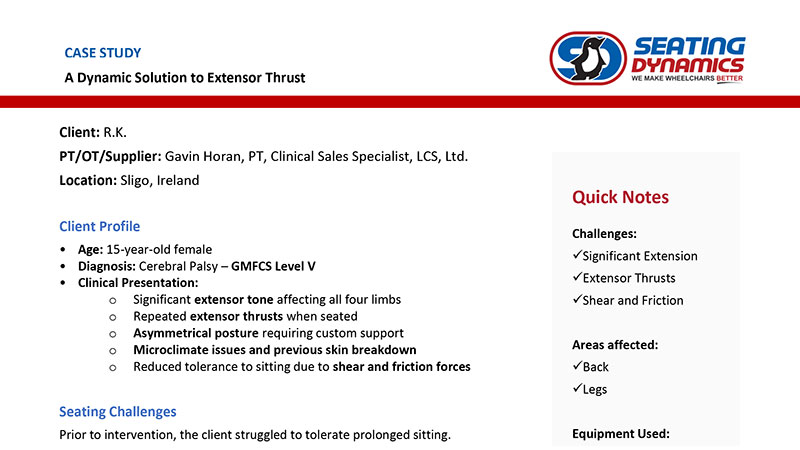
R.K. – A Dynamic Solution to Extensor Thrust
Learn how Naomi has used Dynamic Seating to control her power wheelchair, reduce injury and equipment breakage and maintain her position within several different seating systems.
Free CEU: Positioning the Head
Join OT Michelle Lange for Positioning the Head to explore strategies beyond the head support of a wheelchair, including specific positioning interventions and addressing visual issues.
Motion Composites Presents: Dynamic Seating, Providing Movement for Clinical Benefit!
Join OT Michelle Lange for “Maintaining Posture by Providing Movement” for wheelchair users at the Handi-Abilities 2026 Showcase in St. Paul, MN.