
Clinician Interview: Karla Sonderland, MS, OTR/L, ATP
Michelle L. Lange, OTR/L, ATP/SMS
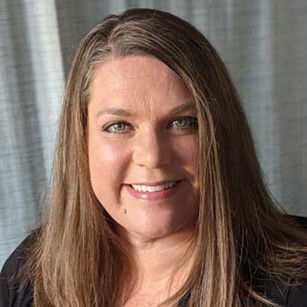
We met Karla earlier in another blog where she shared her insightful comments to CMS during their fee determination for Dynamic Backs. Karla shared that she would be happy to discuss her own experiences further and so we got together for a virtual conversation!
A Career Path
Karla attended college at the University of Mary in Bismark, ND. While in school, she also provided respite care for a child with cerebral palsy which was a great introduction to people who use complex rehab technology (CRT), as well as the equipment itself. After graduation, Karla worked at a residential care facility in Iowa for 20 years. Part of her job was positioning the clients she worked with. She was then promoted to positioning ALL the clients in the facility who needed seating and mobility equipment – about 125! Many of these clients were very complex. And, of course, those clients typically also required other CRT equipment to support their 24/7 positioning needs.
This facility closed in June of 2025. She heard of an opportunity through a colleague and is now a Clinical Education Manager for Sunrise Medical. And she has so much to offer!
The Need for Dynamic Seating
• At the residential facility, Karla was working with many clients who were extending or rocking with enough force to tip over their wheelchairs. Tipping could lead to client injury and equipment damage.
• She also wanted to reduce strong client-generated extension forces. This strong extension led to loss of alignment with the seating system as well as discomfort, injury, and equipment damage.
• Finally, she was concerned about skin integrity. Clients were colliding with the seating system or other parts of the wheelchair frame with enough force to create bruising. Clients were also creating shear forces by moving in relation to the seating system support surfaces.
Dynamic Seating Implementation
Karla started her Dynamic Seating journey with the PDG Bentley manual tilt wheelchair. This frame has two springs mounted behind the back canes to partially dampen client force. Over the years, in collaboration with “wonderful ATPs,” Karla began using other Dynamic Seating options to meet client needs. Dynamic Seating has successfully prevented tipping, reduced active extension, and protected client skin integrity.
A Case Example
Karla worked with an adult with a genetic disorder. He was ambulatory, though liked to spin and run. Aging, medication side effects, and an overall decline in health status resulted in increased unsteadiness, which led to multiple falls. As a result, he also used a wheelchair. He used a Seating Dynamics Dynamic Rocker Back interface on his Quickie 2 folding wheelchair to provide the movement he needed.
His manual wheelchair required repairs (unrelated to his movement) and he was provided a loaner wheelchair - without a Dynamic Back. As the staff were helping him get into the loaner, his strong movements tipped this wheelchair rearward and he hit his head. He had to go to the Emergency Department for stitches.
The Dynamic Back prevented his manual wheelchair from tipping and subsequent injuries. This dynamic component also allowed him to do what he needed to do – move.
"No one seating system and/or wheelchair is made for everyone - the equipment needs to be individualized. We need options to match people's needs, and this sometimes includes Dynamic Seating.” — Karla Sonderland
Thanks so much for your time, expertise, and passion Karla!