
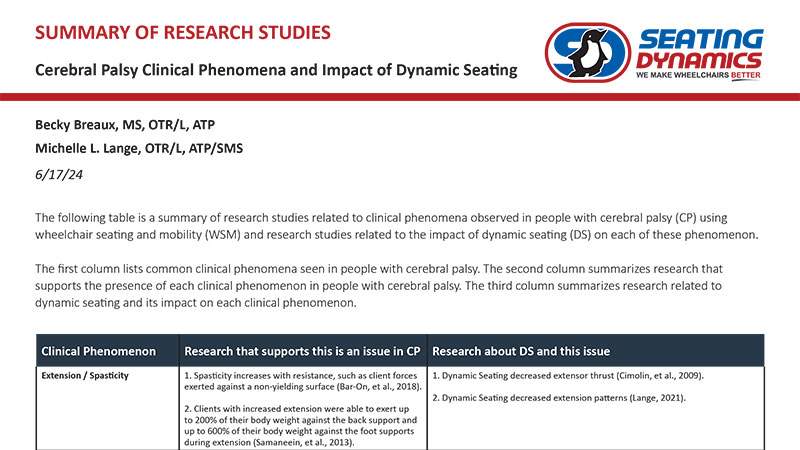
Summary of Research Studies: Cerebral Palsy Clinical Phenomena and Impact of Dynamic Seating
This post summarizes research studies related to clinical phenomena observed in people with cerebral palsy related to the impact of dynamic seating.
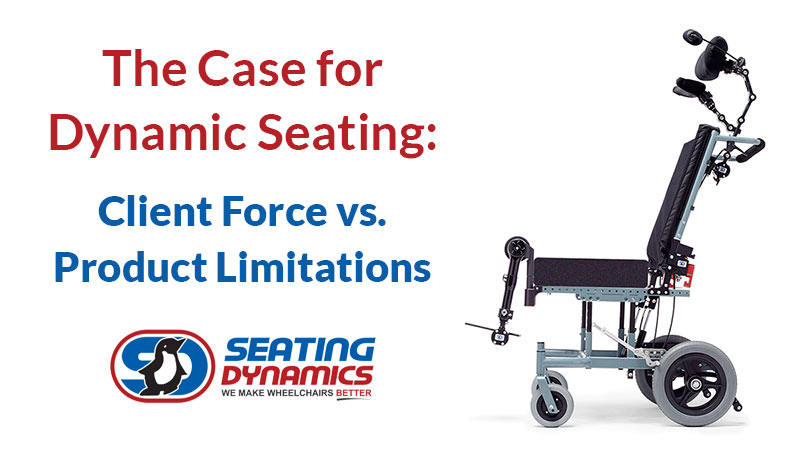
The Case for Dynamic Seating: Client Force vs. Product Limitations
This article examines how wheelchair and seating ISO standards compare with real world forces generated by clients with strong extensor patterns. Research findings highlight where dynamic seating may better address forces that exceed standard testing limits.
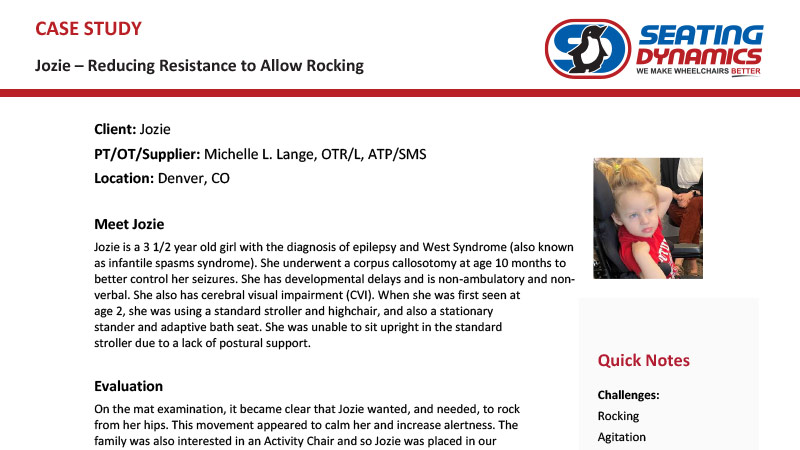
Dynamic Seating – Providing Movement for Clinical Benefit: A Pediatric Case Study
Published in the iNRRTS Directions Volume 4 of 2024, this case study explores this need & benefits of movement within the seating system through Dynamic Seating.
Clinical Changes as a result of Dynamic Seating in a Young Adult with Cerebral Palsy
This case study, published in the Disability and Rehabilitation: Assistive Technology Journal Vol 16. Issue 8, follows a single participant with cerebral palsy through 15 years of wheelchair seating interventions.
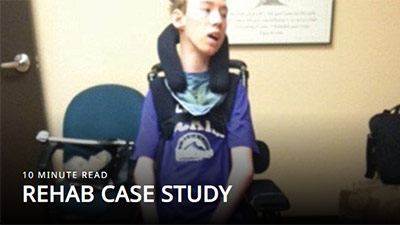
Using Dynamic Seating to Reduce Client Injury and Equipment Damage
This case study follows a single participant from age 6 to his early 20’s as his seating and mobility team worked to find optimal seating solutions to maintain his position and prevent injury and equipment breakage.